How Moles Disrupt Root Systems and Landscape Drainage
To prevent damage caused by moles disrupting root systems and landscape drainage, local yard mole removal service providers can help eliminate these pests effectively.
Understanding how moles disrupt root systems and landscape drainage is essential for property owners looking to maintain a healthy and attractive yard. Moles tunnel beneath the surface, creating extensive networks that can weaken plant roots and disturb the natural flow of water through soil. This activity often leads to uneven ground, water pooling, and damaged plant growth-issues that can quickly impact the overall appearance and health of a landscape. For those noticing unusual mounds or soft, spongy areas in their yard, exploring professional yard mole removal services can provide practical solutions to restore stability and drainage.
Property owners in the area may find that addressing mole activity early helps prevent long-term damage to their landscape and drainage systems. Skilled local contractors understand how these pests interact with soil and roots, offering targeted removal strategies that minimize disruption and protect existing plantings. By connecting with experienced service providers, homeowners can take proactive steps to manage mole activity effectively, ensuring their yard remains functional and visually appealing. Keep reading to learn more about how local pros can help manage these underground invaders and safeguard your landscape’s health.
- Common Projects Services - Yard mole removal is often needed when moles cause damage to root systems, affecting plant health and stability. Local contractors approach this work by carefully eliminating moles to prevent further disruption. Landscape drainage issues caused by mole activity can be addressed by experienced service providers who understand underground tunnel systems. Professionals assess the extent of mole activity and implement targeted removal strategies to protect soil and drainage systems. Moles disrupting root systems and landscape drainage may require ongoing monitoring and removal to maintain healthy lawns and gardens.
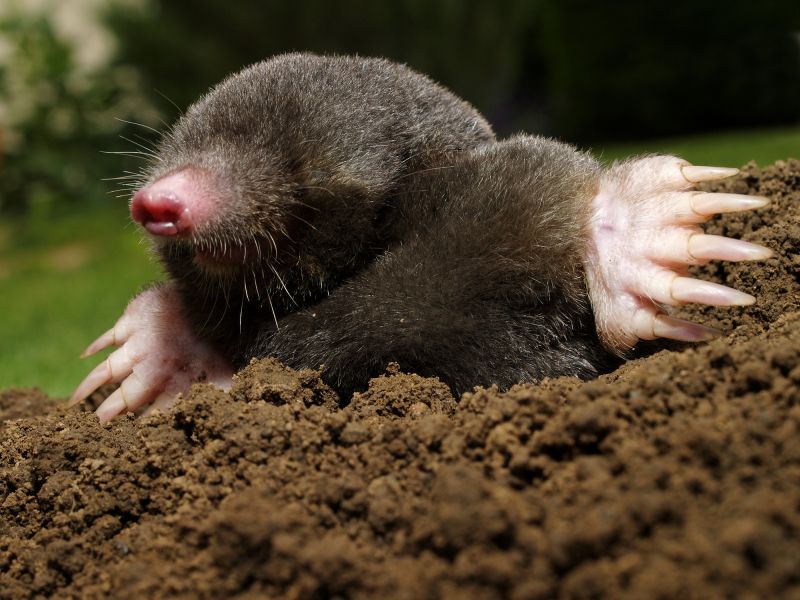
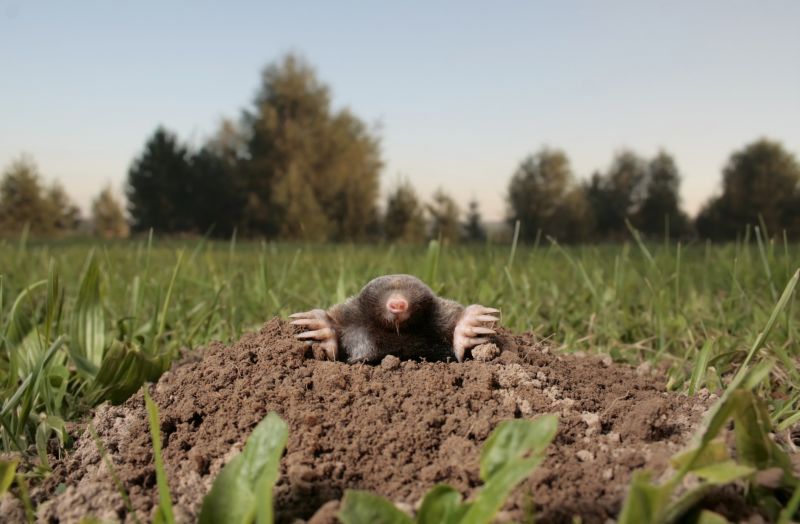
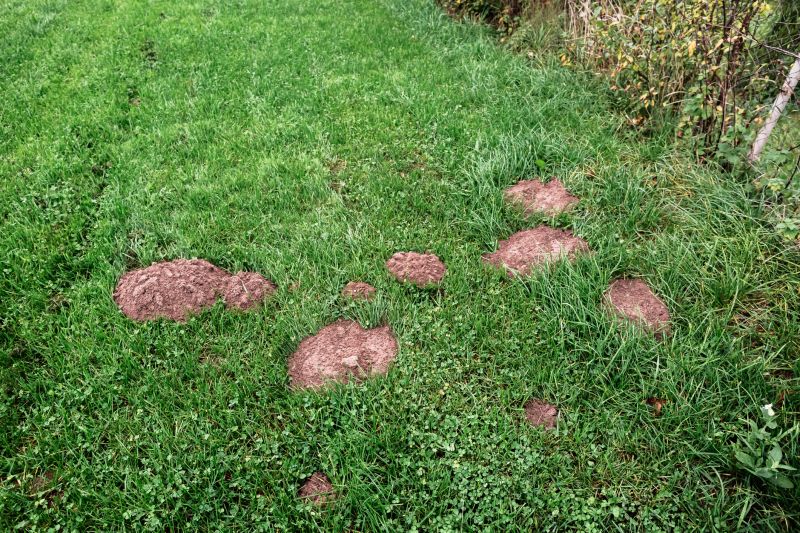
When searching for information on how moles disrupt root systems and landscape drainage, homeowners are often concerned about the health of their lawns and gardens. Moles create extensive underground tunnel networks that can interfere with the natural stability of plant roots and the proper flow of water through soil. This disruption can lead to weakened trees, shrubs, and other vegetation, as their roots may become exposed or damaged by the mole activity. Additionally, the tunnels can interfere with drainage patterns, causing water to pool or runoff improperly, which can lead to soggy patches, erosion, or even flooding in certain areas of the property.
These issues are commonly linked to broader landscape and gardening plans aimed at maintaining healthy, attractive outdoor spaces. Homeowners may notice uneven ground, new molehills, or increased soil erosion, prompting concerns about how these pests impact their landscape’s overall integrity. Problems like poor drainage, standing water, or compromised plant health often prompt property owners to seek solutions that address both pest control and the preservation of their landscape’s structure. Local service providers who specialize in yard mole removal can evaluate the extent of mole activity and recommend targeted strategies to protect root systems and improve drainage, ensuring the landscape remains functional and visually appealing.
Properties most affected by mole activity tend to include residential yards with lush lawns, gardens, and mature trees. These areas often have well-maintained soil and vegetation that attract moles seeking their primary food sources-earthworms and grubs. Larger properties with extensive lawns or landscaped areas are particularly vulnerable, as the underground tunnel systems can spread widely, causing significant disruption over time. Even properties with sprinkler systems or drainage systems may experience issues if mole activity causes soil shifts or creates pathways that interfere with proper water flow. Homeowners with vegetable gardens, flower beds, or ornamental trees are especially likely to notice the early signs of root and drainage problems caused by moles.
Understanding how moles disrupt root systems and landscape drainage helps homeowners see the importance of professional intervention. Local contractors who offer yard mole removal services can help identify the extent of underground activity and implement effective control methods. These professionals work to eliminate mole tunnels and reduce their impact on the soil, which can stabilize root zones and restore proper drainage patterns. For property owners facing ongoing issues with soil stability, plant health, or water management, connecting with experienced service providers ensures that the root causes of the problem are addressed efficiently. This proactive approach supports the long-term health and safety of the landscape, making it easier to maintain a vibrant, well-functioning outdoor space.
Landscape drainage projects involve designing and installing systems to prevent water accumulation, which can be disrupted by mole activity affecting root stability and soil movement.
Soil grading and leveling services help ensure proper water flow and prevent erosion caused by mole burrowing that damages root systems and landscape integrity.
Tree and shrub planting projects require careful planning of root zones, with local contractors addressing mole activity that can interfere with healthy root development.
Gopher and burrowing animal control services often overlap with mole removal, as both impact soil stability and plant health in landscape settings.
Drainage system installation involves creating effective pathways for water, which can be compromised by mole tunnels disrupting soil and root structures.
Garden and lawn restoration services focus on repairing soil and root damage caused by moles, helping restore landscape stability and drainage efficiency.
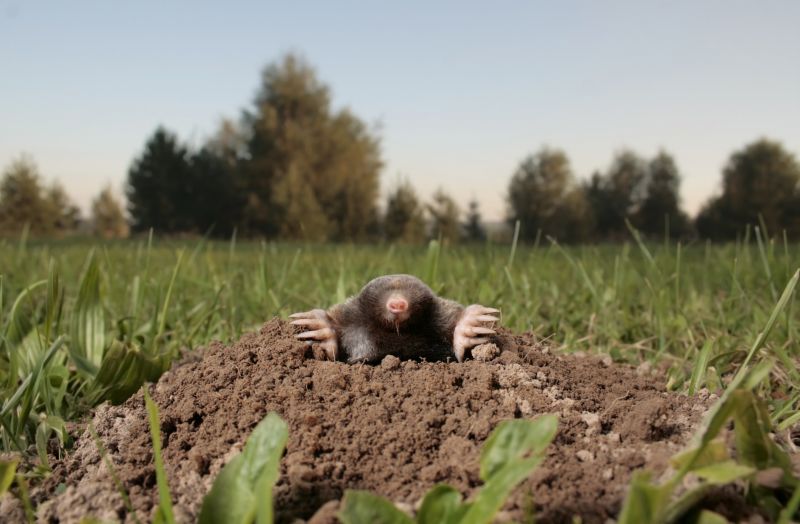
When comparing service providers for yard mole removal, it’s important to consider their experience with similar projects involving root systems and landscape drainage disruption. A contractor with a history of handling mole-related issues can better understand how these pests impact underground structures and drainage pathways. Homeowners should inquire about the types of properties the contractor has worked on and ask for details about past projects that involved similar challenges. This background can provide insight into their familiarity with the specific conditions that moles create and their ability to implement effective removal strategies.
Clear written expectations are essential when evaluating local contractors. A reliable service provider should be able to articulate their approach to mole removal, including what methods they use and what results homeowners can reasonably expect. It’s beneficial to seek out providers who provide detailed descriptions of their services, ensuring that there is a mutual understanding of the scope of work. This clarity helps prevent misunderstandings and ensures that the homeowner’s concerns about root systems and drainage are adequately addressed throughout the project.
Reputable references and effective communication are key indicators of a trustworthy service provider. Homeowners should ask for references from previous clients who had similar yard issues, especially those involving root disruption and drainage problems caused by moles. Good communication also involves responsiveness and the ability to answer questions clearly, which can be a sign of a professional contractor committed to transparency and customer satisfaction. Taking the time to verify references and assess communication can help homeowners find a contractor capable of delivering quality work that meets specific landscape needs.
Property owners often search for how moles disrupt root systems and landscape drainage when they are planning practical projects around their homes and businesses. Local pros provide Yard Mole Removal services for everyday jobs and straightforward project options.
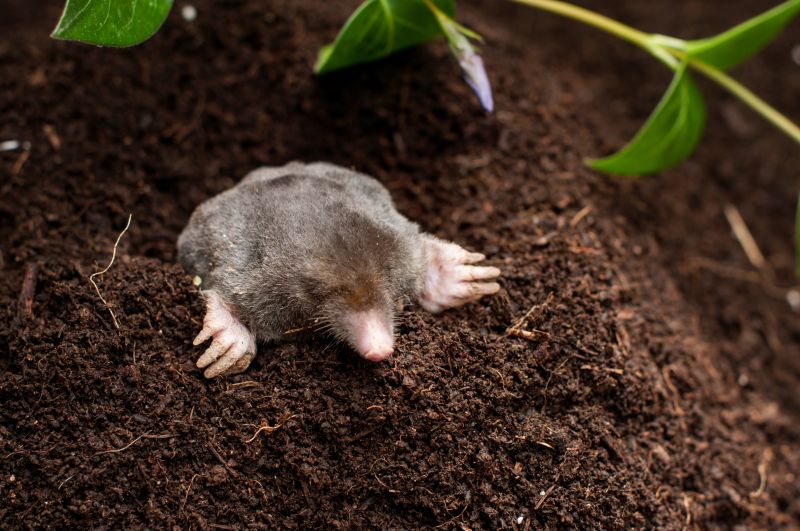
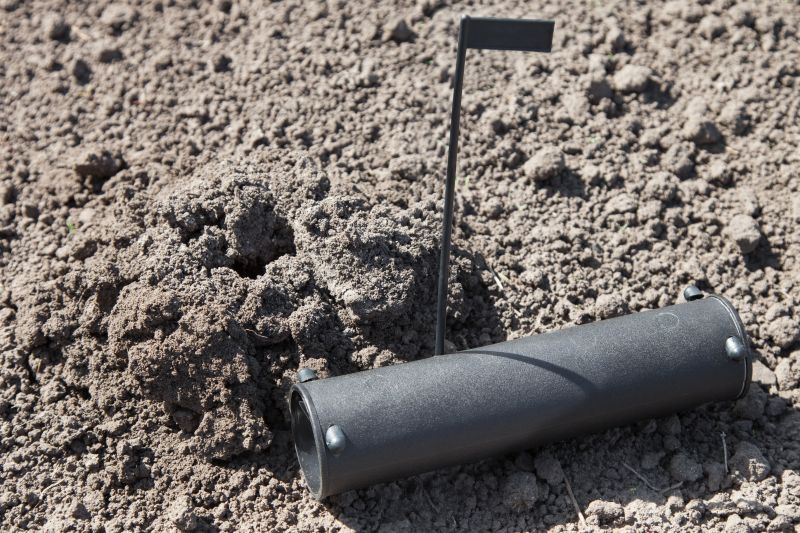
Moles can cause significant disruptions to root systems and landscape drainage, especially in residential yards where healthy plants and well-maintained lawns are a priority. When moles tunnel through the soil, they often create extensive underground networks that can damage the roots of trees and shrubs, leading to weakened plants or even death. Additionally, their tunneling activity can interfere with proper water flow, resulting in poor drainage and water pooling in certain areas. Property owners noticing uneven ground, excessive mole activity, or areas that stay soggy after rain may find it beneficial to explore yard mole removal services offered by local contractors.
In many everyday project situations, homeowners seek out local service providers to address mole activity that threatens the stability of their landscape and the health of their plants. Professional mole removal can help reduce tunneling and minimize damage to root systems, restoring proper drainage and preventing future issues. Connecting with experienced local contractors ensures that the problem is handled effectively, preserving the yard’s appearance and functionality. Property owners who notice signs of mole activity or landscape problems caused by their tunneling may find it worthwhile to consider these services to maintain a healthy, well-drained outdoor space.
How do moles disrupt root systems and landscape drainage? Moles create extensive underground tunnel systems that can damage plant roots and interfere with the natural flow of water in the soil, leading to poor drainage and potential plant stress.
What signs indicate moles are affecting my yard's drainage? Signs include raised ridges, mounded soil, and soft, spongy areas where water tends to pool, all of which suggest mole activity impacting the landscape’s natural drainage.
How can local contractors help with mole-related root and drainage issues? Local service providers can perform mole removal and implement strategies to repair damaged root systems and restore proper landscape drainage, preventing further disruption.
Are moles a common cause of root damage and drainage problems? Yes, moles frequently contribute to root system disruption and drainage issues by tunneling near plant roots and altering soil structure, which can compromise yard health.
What methods do pros use to prevent moles from disrupting landscape systems? Professionals typically use trapping, exclusion techniques, and soil management practices to control mole activity and protect root systems and drainage pathways.
Assessing damage to root systems - property owners can identify signs of mole activity that may indicate root disruption and plan for professional removal services.
Improving drainage systems - understanding how moles create tunnels that interfere with landscape drainage can guide property owners to seek expert solutions.
Protecting garden beds and trees - recognizing how moles disturb soil and roots helps in implementing strategies with local contractors to safeguard plant health.
Planning yard maintenance - incorporating mole management into regular landscape upkeep can prevent further damage and ensure healthy root systems.
If you are thinking about how moles disrupt root systems and landscape drainage for a property, this guide is meant to help you understand this topic, the typical project types, and how different options might fit your plans.
When you are ready, you can use the quote form on this page to share a few details about your project. From there, local pros can review the basics and follow up with options that match what you have in mind.